
Hashimoto's Thyroiditis and Thyroid Cancer: What the Evidence Shows
Patients with Hashimoto's thyroiditis face a meaningfully higher risk of papillary thyroid cancer — and a dramatically elevated risk of primary thyroid lymphoma. Here is what the current evidence says and what it means for your care.
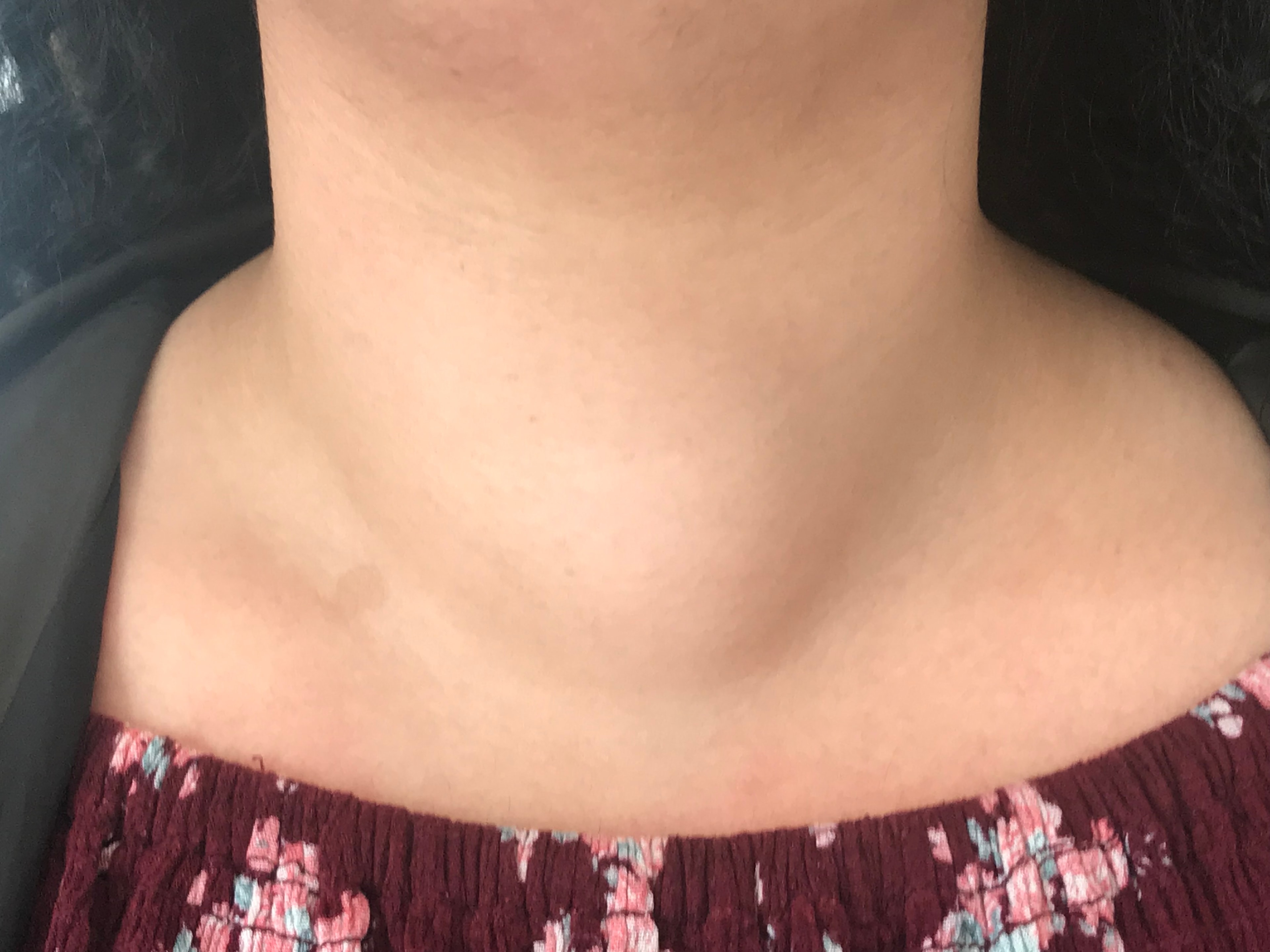
Hashimoto's Thyroiditis and Thyroid Cancer: What the Evidence Shows
Hashimoto's thyroiditis (HT) is the most common cause of hypothyroidism in the United States. Most patients with Hashimoto's are told — correctly — that it is a manageable autoimmune condition. What is less often discussed is the relationship between Hashimoto's and thyroid cancer.
The evidence on this association has grown substantially over the past decade, and I believe every patient with Hashimoto's deserves a clear explanation of what it means for their long-term monitoring.
Hashimoto's and Papillary Thyroid Cancer
Based on evaluation of pathological specimens, the average prevalence of papillary thyroid cancer in patients with Hashimoto's thyroiditis is approximately 27%, with an associated increased risk ratio of 1.59 compared with the general population.
That is a 59% higher risk of papillary thyroid cancer — not a trivial number.
A recent meta-analysis combining studies that analyzed both cytological and pathological specimens from patients with HT confirmed this association, though it noted the supporting evidence is of low-to-moderate quality. This is an important caveat: the association is real and consistent across studies, but the underlying mechanisms are still being worked out, and not every study has controlled for all confounding variables.
What this means practically: if you have Hashimoto's thyroiditis and a thyroid nodule, that nodule deserves careful evaluation — ultrasound characterization, and biopsy if indicated by size or sonographic features. The background of chronic lymphocytic inflammation does not make a nodule less worrisome; if anything, it raises the index of suspicion.
Hashimoto's and Thyroid Nodules
Hashimoto's thyroiditis and thyroid nodules frequently coexist. The inflamed, heterogeneous thyroid gland that characterizes HT can make ultrasound interpretation more challenging — pseudo-nodules from focal inflammation can mimic true nodules, and the background echogenicity changes can obscure features that would otherwise prompt biopsy.
This is one reason why experienced thyroid ultrasound interpretation matters enormously in patients with Hashimoto's. A general radiologist reading a thyroid ultrasound in a Hashimoto's patient may not have the same level of familiarity with these patterns as a dedicated thyroid specialist.
The Lymphoma Risk: A Critical and Often Overlooked Association
Apart from papillary thyroid cancer, there is a second malignancy association that I consider even more important for patients and clinicians to understand:
Primary thyroid lymphoma is strongly associated with Hashimoto's thyroiditis — with a risk approximately 60 times higher than in the general population.
Thyroid lymphoma accounts for approximately 5% of all thyroid neoplasms. It is rare in absolute terms, but the relative risk elevation in Hashimoto's patients is dramatic.
Why does this matter so much? Because the treatment for thyroid lymphoma is fundamentally different from the treatment for malignant thyroid nodules.
- Malignant thyroid nodules → surgery is the standard first-line therapy
- Thyroid lymphoma → appropriately targeted chemotherapy for lymphoproliferative disorders; surgery is not the primary treatment
If a thyroid lymphoma is misidentified as a thyroid nodule or thyroid cancer and the patient goes directly to surgery, the correct treatment is delayed and the patient may be harmed. Getting the diagnosis right before proceeding to the operating room is essential.
What Should Patients with Hashimoto's Do?
Based on the evidence, my recommendations for patients with Hashimoto's thyroiditis are:
- Annual thyroid ultrasound — to monitor for new or enlarging nodules against the background of chronic inflammation
- Prompt evaluation of any rapidly enlarging thyroid mass — rapid growth in a Hashimoto's patient should raise concern for lymphoma and warrants urgent workup, including possible core needle biopsy or surgical biopsy for tissue diagnosis
- Fine needle aspiration (FNA) of nodules meeting size and sonographic criteria — the same ATA guidelines apply, but the threshold for biopsy should be interpreted in the context of the elevated background risk
- Flow cytometry on FNA specimens when lymphoma is suspected — standard cytology alone may not be sufficient to diagnose lymphoma; flow cytometry on the FNA specimen can be diagnostic and may spare the patient a surgical biopsy
My Bottom Line
Hashimoto's thyroiditis is not just a thyroid hormone problem. It is a chronic inflammatory condition that meaningfully alters the risk landscape for thyroid malignancy — both papillary thyroid cancer and, more dramatically, thyroid lymphoma.
Patients with Hashimoto's deserve ongoing surveillance, not just TSH monitoring. And any new or rapidly changing thyroid mass in a Hashimoto's patient should be evaluated with urgency and diagnostic precision.
If you have Hashimoto's and have not had a recent thyroid ultrasound, that conversation with your physician is worth having.
Dr. Richard Guttler is a thyroid specialist with over 50 years of clinical experience in Santa Monica, California. He is ranked among the top thyroid specialists in the United States by the American Thyroid Association. The information in this post is for educational purposes only and does not constitute personal medical advice.
Explore Topics
Written by
Dr. Guttler
Clinical Thyroidologist with over 50 years of experience treating patients with thyroid cancer, nodules, hypothyroidism, and hyperthyroidism. Dr. Guttler created these patient education lectures to help people understand their thyroid condition and make informed decisions about their care.