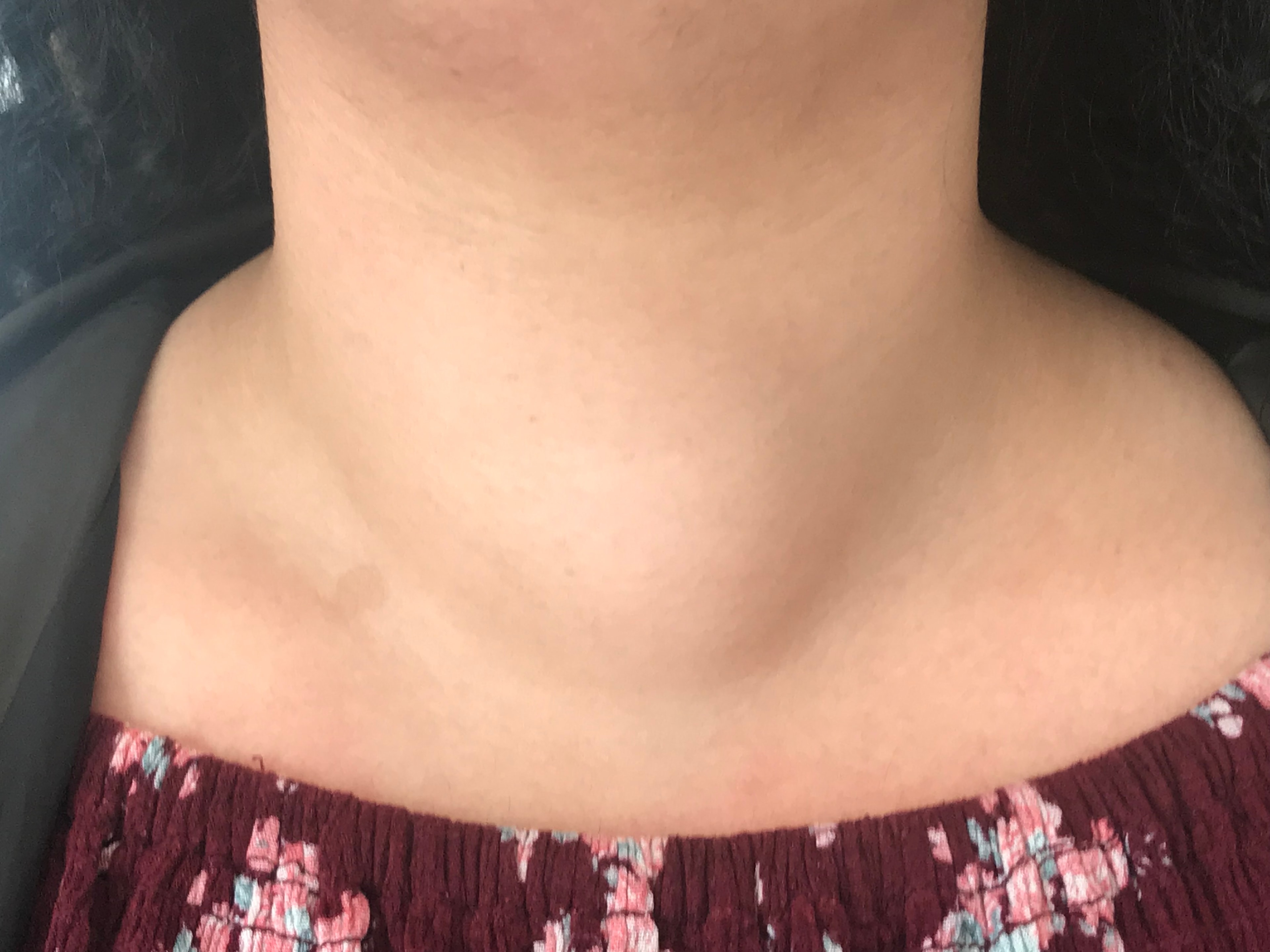
Living With Thyroid Cancer: A Patient Guide
The moment a doctor says "thyroid cancer," the world shifts. Even if you've been told it's "the good cancer" — a phrase I find deeply unhelpful and will address directly — the fear, uncertainty, and grief that follow a cancer diagnosis are real and deserve to be taken seriously.
This guide is for you: the patient who just received a diagnosis, the survivor navigating long-term follow-up, and everyone in between.
First: About "The Good Cancer"
Let me address this directly. Thyroid cancer is frequently called "the good cancer" by physicians, often with the intention of reassuring patients. The survival rates for differentiated thyroid cancer (papillary and follicular) are indeed excellent — the 10-year survival rate for papillary thyroid cancer, the most common type, exceeds 95%.
But here is what that phrase fails to acknowledge:
- Surgery to remove your thyroid is a major operation with real risks and a real recovery
- You will likely need thyroid hormone replacement for the rest of your life
- Radioactive iodine treatment, if needed, carries its own physical and emotional burden
- The fear of recurrence is real and ongoing
- Many patients experience significant quality-of-life changes that persist for years
Your cancer is not "good." It is treatable. Those are different things. You are allowed to take it seriously.
Types of Thyroid Cancer
There are four main types of thyroid cancer:
Papillary thyroid cancer — the most common, accounting for about 80% of cases. It grows slowly and responds well to treatment. Even when it spreads to lymph nodes, outcomes are generally excellent.
Follicular thyroid cancer — the second most common type. It tends to spread through the bloodstream rather than lymph nodes and may spread to the lungs or bones. Still highly treatable in most cases.
Medullary thyroid cancer (MTC) — arises from C-cells that produce calcitonin. About 25% of cases are hereditary (associated with MEN2 syndrome). Requires different monitoring and treatment than differentiated thyroid cancers.
Anaplastic thyroid cancer — rare and aggressive. Accounts for less than 2% of thyroid cancers but is the most serious form. Requires prompt, aggressive treatment.
The Treatment Journey
Surgery
For most thyroid cancers, surgery is the first step. Depending on the size and type of cancer, your surgeon may recommend:
- Lobectomy — removal of one lobe of the thyroid (for small, low-risk papillary cancers)
- Total thyroidectomy — removal of the entire thyroid gland
Total thyroidectomy is more common for larger tumors, cancers that have spread to lymph nodes, or when radioactive iodine treatment is planned afterward.
What to expect from surgery:
- Typically 1–2 days in the hospital
- Sore throat and hoarseness for a few days to weeks
- Temporary or (rarely) permanent changes to voice
- Risk of hypoparathyroidism — low calcium due to inadvertent damage to the parathyroid glands
- Recovery of 2–4 weeks before returning to normal activity
Choosing an experienced thyroid surgeon matters enormously. Complication rates are significantly lower at high-volume centers. Don't be afraid to ask how many thyroid surgeries your surgeon performs per year.
Radioactive Iodine (RAI) Treatment
After total thyroidectomy, many patients receive radioactive iodine (I-131) to destroy any remaining thyroid tissue and reduce the risk of recurrence. The thyroid is the only tissue in the body that absorbs iodine, so RAI is highly targeted.
RAI is not recommended for all patients — low-risk papillary cancers treated with total thyroidectomy may not need it. Your endocrinologist and surgeon will discuss whether it's appropriate for your specific case.
Preparing for RAI:
- You'll need to follow a low-iodine diet for 1–2 weeks beforehand
- You'll need to be hypothyroid (either by stopping thyroid medication or receiving an injection of Thyrogen) to maximize iodine uptake
- You'll need to isolate from others for a few days after treatment due to radiation precautions
Thyroid Hormone Replacement and TSH Suppression
After thyroidectomy, you will take thyroid hormone replacement (levothyroxine) for the rest of your life. For many thyroid cancer patients — particularly those at higher risk of recurrence — the dose is set to keep TSH suppressed below normal levels. This is because TSH stimulates thyroid cell growth, and suppressing it reduces the risk of cancer recurrence.
Over time, as the risk of recurrence decreases, your doctor may allow TSH to rise to a low-normal range to reduce the long-term risks of TSH suppression (bone loss, heart rhythm issues).
Long-Term Follow-Up
Thyroid cancer follow-up is a lifelong commitment. The good news is that for most patients, it becomes less intensive over time as the risk of recurrence decreases.
Standard monitoring includes:
- Thyroglobulin (Tg) blood test — thyroglobulin is produced by thyroid tissue; rising levels after total thyroidectomy can signal recurrence
- Thyroglobulin antibodies — can interfere with Tg measurement; important to monitor
- Neck ultrasound — to check for recurrence in the thyroid bed or lymph nodes
- Whole body scan — used selectively in higher-risk patients
The frequency of these tests depends on your risk category (low, intermediate, or high) and how your initial treatment went.
The Emotional Reality of Survivorship
Finishing treatment does not mean the emotional journey is over. Many thyroid cancer survivors describe a difficult transition — the structure of active treatment ends, but the anxiety doesn't.
Common emotional challenges include:
- Fear of recurrence — every follow-up appointment can bring a wave of anxiety
- Grief over the "before" self — the person you were before diagnosis
- Fatigue and cognitive changes — especially if TSH has been suppressed for a long time
- Feeling isolated — because others may minimize your experience ("but it's the good cancer")
- Body image changes — the scar from surgery, weight changes, hair loss
These are real. They deserve real support — whether through a therapist, a support group, or simply finding others who understand what you've been through.
Moving Forward
Living with thyroid cancer means accepting that some things have permanently changed — and finding a way to build a full life anyway. Most thyroid cancer survivors do exactly that. They go on to live long, active, meaningful lives.
The key is staying engaged with your follow-up care, advocating for yourself when something doesn't feel right, and not letting fear run the show.
You are more than your diagnosis.
Dr. Guttler spent 50 years as a private thyroid medical specialist. The information on this site is for educational purposes and does not constitute medical advice. Always consult your physician for diagnosis and treatment.
Explore Topics
Written by
Dr. Guttler
Clinical Thyroidologist with over 50 years of experience treating patients with thyroid cancer, nodules, hypothyroidism, and hyperthyroidism. Dr. Guttler created these patient education lectures to help people understand their thyroid condition and make informed decisions about their care.