
Understanding the diagnosis
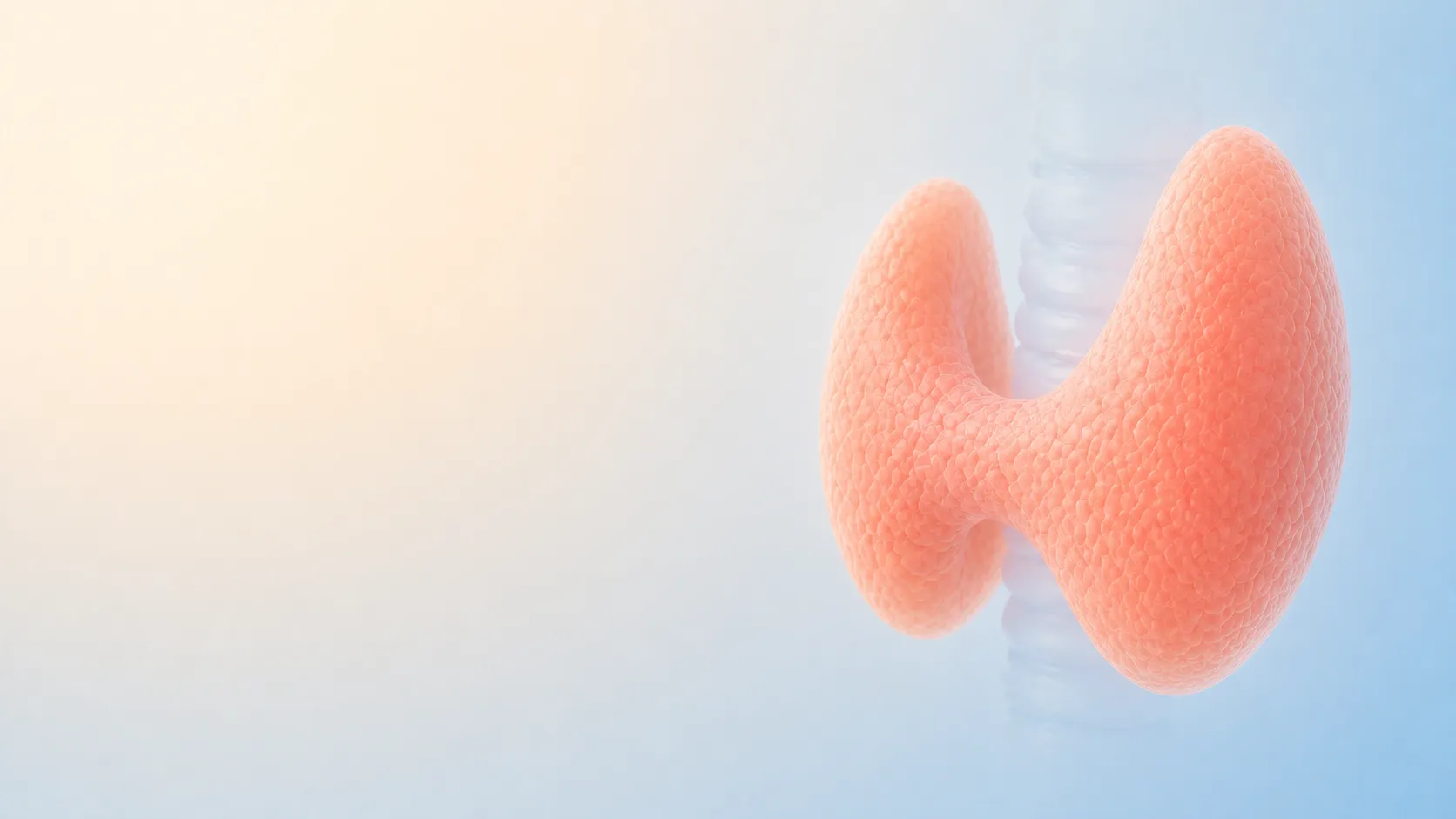
Thyroid cancer begins when cells in the thyroid gland become malignant. Many thyroid cancers are found after a thyroid nodule is noticed on an exam or imaging study. Thyroid nodules are common, and most are benign.
The main thyroid cancer types are papillary, follicular, medullary, and anaplastic. Papillary and follicular cancers are often grouped as differentiated thyroid cancers. They are the most common thyroid cancers and are often treatable, especially when found early.
Medullary thyroid cancer starts in different thyroid cells and is sometimes linked to an inherited RET gene change. Anaplastic thyroid cancer is rare and aggressive. These types need a care team experienced with their specific risks and treatment options.
Evaluation and risk context
Evaluation usually includes a neck exam, thyroid blood tests, ultrasound, and fine-needle aspiration when biopsy is needed. Ultrasound helps describe the thyroid nodule and nearby lymph nodes. Learn what a thyroid ultrasound shows and what TI-RADS means. A biopsy result may be benign, indeterminate, suspicious for cancer, or malignant.
For a broader overview of how blood tests, ultrasound, and biopsy fit together, visit Testing and Diagnosis.
After cancer is diagnosed, the next question is risk context. A clinician considers the cancer type, size, whether it appears limited to the thyroid, whether lymph nodes are involved, whether there is spread outside the neck, and what the pathology report shows.
The 2025 American Thyroid Association differentiated thyroid cancer guideline emphasizes shared decision-making across diagnosis, risk assessment, treatment decisions, and response assessment.
Treatment planning
Surgery is a common treatment for thyroid cancer. Depending on the situation, surgery may remove one thyroid lobe, called lobectomy, or the whole thyroid, called total thyroidectomy. The decision depends on tumor features, findings in the rest of the thyroid, lymph-node findings, and patient preference after discussion with the care team.
Some patients may need radioactive iodine after surgery. Radioactive iodine is used for selected differentiated thyroid cancers, especially when there is higher risk of remaining thyroid cancer cells. It is not used for medullary thyroid cancer.
Thyroid hormone medicine may be used after surgery to replace missing thyroid hormone. In some thyroid cancer plans, the dose is also chosen to lower thyroid-stimulating hormone, or TSH, because TSH can stimulate some thyroid cancer cells.
Selected very small, low-risk papillary thyroid cancers may be candidates for active surveillance rather than immediate surgery, but this requires careful selection and reliable follow-up with an experienced clinician.
Local treatment of recurrent neck disease
When differentiated thyroid cancer remains or returns in a cervical lymph node, the plan depends on the size and location of disease, its rate of growth, previous operations, nearby nerves and blood vessels, other sites of disease, medical risks, and patient preferences.
Selected small, stable lymph nodes may sometimes be monitored. Reoperative surgery remains the usual first treatment for most clinically apparent, macroscopic nodal disease when an operation is appropriate.
The 2025 American Thyroid Association guideline says percutaneous ethanol ablation or radiofrequency ablation may be considered for selected recurrent or residual differentiated thyroid cancer, particularly when another operation carries high risk. These are conditional recommendations supported by low-certainty evidence.
Before focused ablation, the target should generally be confirmed as cancer and reviewed in the context of the patient's complete cancer evaluation. Treatment requires an experienced clinician and continued surveillance because treating one lymph node does not evaluate or remove an entire lymph-node compartment.
Read the separate ethanol ablation discussion.
Monitoring and follow-up
Follow-up is based on the original cancer risk and how the cancer responds to treatment. It may include physical exams, neck ultrasound, blood tests, and review of symptoms. Some patients have thyroglobulin testing after treatment for differentiated thyroid cancer. Patients with medullary thyroid cancer may have calcitonin and CEA testing.
Monitoring is not the same for everyone. A person with a small, low-risk cancer and reassuring follow-up tests may need less intensive monitoring over time. A person with higher-risk features, persistent disease, or recurrent disease may need closer follow-up and additional imaging or treatment.
Recurrence can happen after thyroid cancer treatment, so patients should keep follow-up appointments and ask their clinician what changes should prompt earlier contact.
Questions to ask your clinician
- What type of thyroid cancer do I have?
- What did my ultrasound and biopsy show?
- Is there any sign that cancer has spread to lymph nodes or outside the neck?
- Would lobectomy, total thyroidectomy, or active surveillance fit my situation?
- Would radioactive iodine be useful for me?
- What follow-up tests will I need after treatment?
- If cancer returns in my neck, would monitoring, reoperation, or focused ablation be appropriate?
- Should I see a thyroid cancer specialist or endocrine surgeon?
- Does my cancer type raise any genetic testing questions for me or my family?
Sources and medical review
Medically reviewed by Richard B. Guttler, MD, FACP, FACE, ECNU · September 2026
This guide draws on Dr. Guttler's patient education and the current medical references below.
Dr. Guttler's 2010 video about percutaneous ethanol injection is included as historical context only. It is not embedded because patient identity and publication consent have not been verified.
- American Thyroid Association: Thyroid Cancer
- National Cancer Institute: Thyroid Cancer Treatment, Patient Version
- American Thyroid Association: 2025 Differentiated Thyroid Cancer Guidelines summary for patients
- American Thyroid Association Management Guidelines for Adult Patients with Differentiated Thyroid Cancer, 2025
- European Guideline for Minimally Invasive Treatments in Malignant Thyroid Lesions, 2021
- Dr. Richard B. Guttler: P.E.I. Treatments for Thyroid Cysts and Cancer Lymph Nodes, 2010